Meta Muse for Small Business: What the New AI Agent Does
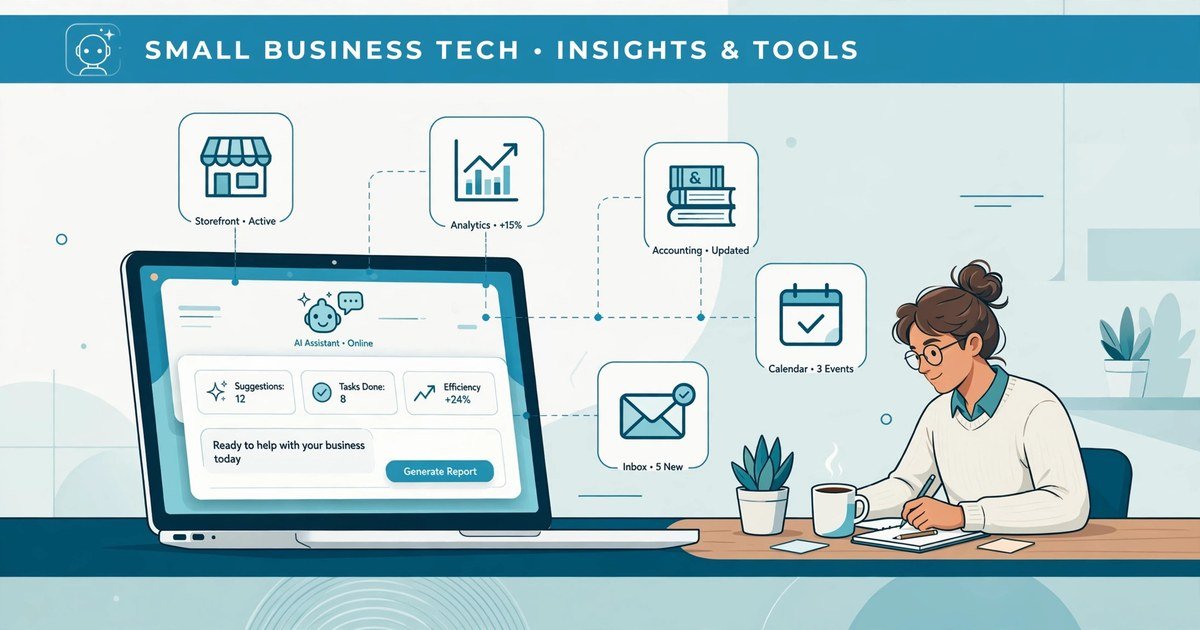
Meta launched Muse for Small Business on September 29, 2026, giving owners an AI agent that works inside the tools they already use. It connects to Instagram analytics, Facebook Pages, and Meta ad accounts, plus 15 third-party apps including Shopify, QuickBooks, Stripe, and Canva. It can draft campaigns, analyze sales, flag odd expenses, and prepare customer responses. Nothing publishes, sends, or spends without your approval, which makes it a safe first step into AI agents.
What is Meta Muse for Small Business?
The consumer Muse app launched on September 8 in the US and Canada and quickly topped the free-app charts in both. Reuters reported about 2.8 million downloads in its first two weeks, citing Sensor Tower. On September 29, Meta expanded it into a business product, reported in detail by Reuters the same day.
The idea is simple: instead of an AI that answers questions in isolation, Muse works from your own business data. You connect it to the apps you already use, and it handles routine operations like reviewing this month's numbers or drafting a marketing campaign.
Which tools can Muse connect to?
On the Meta side, Muse connects to Instagram professional account analytics, Facebook Pages, and Meta ad accounts. Those connections give it context about what you sell and how your brand communicates.
The third-party connector list is the part worth reading twice:
- Storefront and payments: Shopify, Stripe
- Accounting: Intuit QuickBooks
- Email marketing: Klaviyo, HighLevel
- Design: Canva, Figma, Lovable
- Team and files: Slack, Asana, Notion, Dropbox, Box, Granola, Zoom
Meta says more connectors are coming, and businesses can build custom connectors for services outside the current list.
What can Muse actually do for your business?
Based on Meta's launch materials and launch-week reporting, here are the jobs it is built for:
- Draft marketing campaigns. Describe a goal and Muse drafts the ad creative, caption, and targeting from what your past ads and posts did.
- Analyze sales and marketing performance. Ask how the month went and it pulls from Shopify or Stripe to show what sold and what fell flat.
- Review financial performance. It reads your QuickBooks data and flags anomalies for you to check.
- Surface messages that need answers. It flags urgent customer emails and comments, and prepares first drafts of replies for your approval.
- Build growth plans. It studies your sales and campaigns, then drafts a seasonal growth plan grounded in your actual numbers.
- Manage your calendar. It handles scheduling and can watch for changes on your behalf.
Is it safe to give an AI agent access to my business?
This is the right question, and Meta built in an approval rule for exactly that reason. The company states that nothing is published, sent, or spent without the user's approval. A wrong answer in a chat is annoying; an unintended charge or a public post gone wrong is a business problem, so that boundary matters.
Still, read access is real access. Before connecting anything, decide which systems you are comfortable exposing:
| Safe to connect early | Connect with care |
|---|---|
| Instagram analytics and Facebook Page insights (read-only performance data) | Meta ad accounts (it can see spend and suggest changes) |
| Calendar and scheduling | Customer records and email lists (real people, real data) |
| Design files in Canva or Figma | Stripe and payment tools (money movement is one misclick away) |
| Project boards in Asana or Notion | QuickBooks books (accurate, but check its summaries before acting) |
Treat Muse like a talented new hire: useful on day one, but you still review everything before it goes to customers.
What should you hand it first?
If you want to try Muse without reorganizing your business around it, start with five low-risk jobs:
- A monthly numbers review. Connect Shopify or Stripe and ask for a plain-English summary of the month: revenue, top products, and anything unusual.
- An expense scan. Connect QuickBooks and ask it to flag expenses that look off. You will spot duplicates and forgotten subscriptions fast.
- A holiday campaign draft. Have it draft one campaign from your best past posts. You edit, you approve, you publish.
- An ad performance check. Ask what worked in your Meta ads last quarter, then have it draft the next round in that style.
- Inbox triage. Let it surface the messages that need a human reply today and draft the answers.
Keep three things human for now: final approval on anything public, anything involving money, and any difficult customer conversation.
Synthvora Growth helps small businesses across the US, Canada, Australia, and New Zealand adopt tools like Muse properly: connected carefully, reviewed weekly, and wired into a marketing system that keeps the owner in charge.
Frequently asked questions
What is Meta Muse for Small Business?
An AI agent Meta launched on September 29, 2026 that connects to your business tools, including Instagram, Facebook Pages, Meta ads, Shopify, QuickBooks, and Stripe, to draft campaigns, analyze sales, and handle routine tasks.
How much does Muse for Small Business cost?
Meta says it is free for most uses, with subscription plans available for users who want additional features. Specific plan pricing was not confirmed in Meta's own launch materials.
Can Muse spend money or publish posts on its own?
No. Meta states that nothing is published, sent, or spent without the user's approval. It drafts and suggests; you approve before anything goes live or costs money.
Which countries is Muse available in?
The consumer app launched in the US and Canada in September 2026 and topped free-app charts in both. Availability for the small-business version in other regions is expanding.
Should a small business connect all its tools at once?
No. Start with low-risk connections like analytics and calendars, then add customer data, ad accounts, and financial tools once you trust its drafts. Review its work closely in the first weeks.
AI agents reward owners who set them up carefully. Get a free audit of your marketing setup, or contact us to put tools like Muse to work without the growing pains.
Curious what AI agents can do for you?
We help small businesses adopt tools like Meta Muse carefully and wire them into marketing that keeps you in charge. Get an honest assessment.
Get My Free Audit