ChatGPT Ads Go Visual: What OpenAI's Image Ads Mean for You
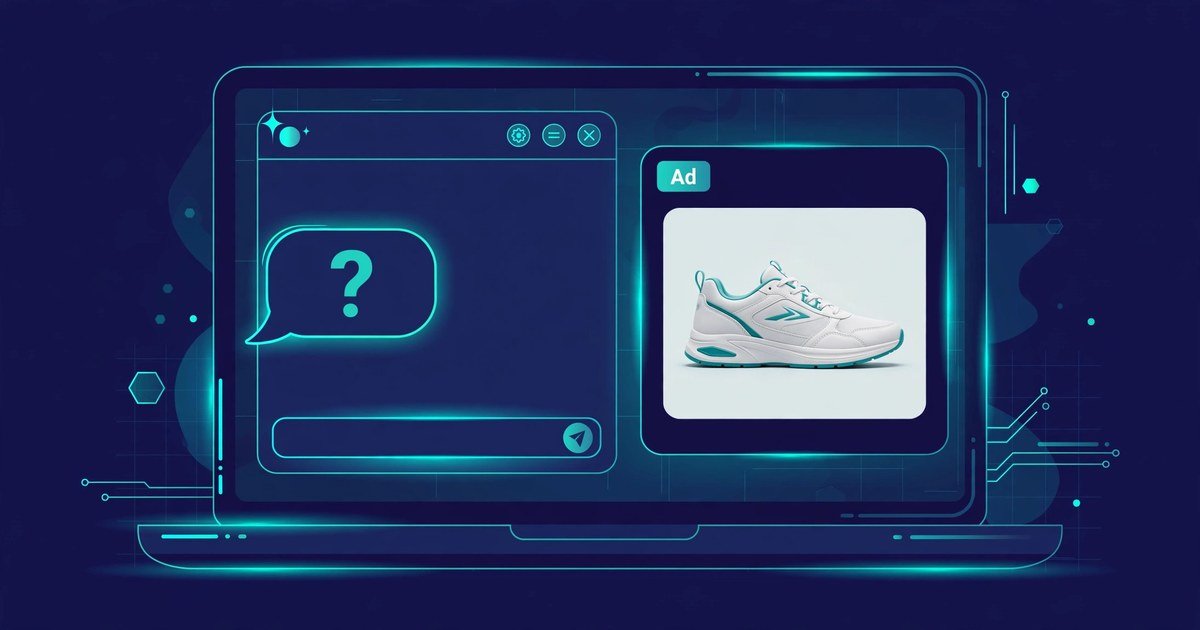
OpenAI announced on October 5, 2026 that ChatGPT Ads will add a visual, image-based ad format and expanded measurement partnerships. Testing starts later this month in the United States during image generation, with ads clearly labeled and kept separate from ChatGPT's answers. For small businesses, the format is not available yet. The smart move now is to watch the rollout and make sure your conversion tracking is ready before you consider spending.
What OpenAI announced on October 5
On October 5, 2026, OpenAI said ChatGPT Ads would gain two things at once: pictures and proof. The new visual ad format lets advertisers show products, services, and experiences through images, so people can discover a brand while generating or viewing images in ChatGPT. OpenAI also expanded the measurement tools and partner integrations that help advertisers understand whether the ads drive business results.
This is a deliberate step in turning ChatGPT into a full advertising platform. ChatGPT started showing ads earlier in 2026, and the rollout has been expanding since. OpenAI says ChatGPT reaches 1.2 billion people a week, which is why marketers keep watching every ad-format change.
What the visual ads will look like
According to OpenAI, the visual ads will use product inspiration, product usage, or the experiences a product makes possible to help people discover a new brand and decide what to buy. The first tests will run during image generation in ChatGPT for Free and Go users in the United States.
Two design promises matter for trust. OpenAI says the ads will be clearly labeled and will stay visually separate from the image ChatGPT generates in response to the user's prompt. And advertising will not influence the answers ChatGPT provides. That separation is the whole point: a person should be able to tell where the requested creative output ends and a paid recommendation begins.
The measurement side of the announcement
The measurement updates answer the biggest complaint advertisers had since ChatGPT ads launched: brands found it hard to measure return on investment.
Hightouch, Tealium, and LiveRamp will carry conversion data into ChatGPT Ads, so a store can automatically report that a purchase followed an ad click. Attribution partners now include AppsFlyer, Adjust, Branch, Triple Whale, Northbeam, and Kochava. For the harder question of whether the ads caused extra sales or just got credit for them, Haus, Measured, and WorkMagic are exploring geo-based incrementality experiments.
There is also a brand-safety angle. OpenAI is running brand-suitability evaluation pilots with DoubleVerify and Integral Ad Science, the same independent firms advertisers rely on to keep ads away from unsafe content on YouTube and Meta. The pilots are designed to assess how ChatGPT applies its brand-safety standards in a controlled test setting, without giving those firms access to private user conversations. MediaPost's coverage breaks down the full partner list.
Early partner results need context
OpenAI shared early results from launch partners. One partner measured WeightWatchers' attributed cost per acquisition at 15.3% below its blended paid search benchmark. Another found 67% of incremental purchases for the brand Dose came from new customers. A third reported 93% of Portland Leather's visitors from the ads were new.
Read those numbers like an experienced advertiser: they are early, partner-reported results, not platform-wide benchmarks. Attribution alone does not prove the ads caused the sales. Wait for broader data before treating these figures as typical.
What small businesses should do now
Here is the honest playbook for the next few months.
1. Watch, do not spend. The testing group is limited to the United States and the format is not broadly available. Early adoption is for brands with measurement teams and budget to spare.
2. Fix your conversion tracking. Make sure purchase events, lead forms, and phone calls flow correctly into your analytics, that your customer list is clean, and that you can connect your existing attribution tools. When ChatGPT Ads open to you, the advertisers with working data pipelines will learn fast and waste less.
3. Get visually ready. Start building a library of clean product photos and usage shots now. If your product photography is already strong, you will be ready on day one.
4. Keep getting cited for free first. Paid placement and organic citation are two different doors into the same conversations. While ads mature, make sure assistants already mention your business on merit. Our guide to getting cited by ChatGPT, Perplexity, and Google AI answers covers the steps.
Frequently asked questions
What are ChatGPT visual ads?
They are a new image-based ad format OpenAI announced on October 5, 2026. The ads show products and experiences through images alongside image generation in ChatGPT. They are clearly labeled, kept separate from the images ChatGPT creates, and do not influence ChatGPT's answers.
When do ChatGPT image ads start?
Testing begins later in October 2026 in the United States with an initial group of advertisers, first during image generation for Free and Go users. OpenAI has not announced broader availability.
Do ads change what ChatGPT tells users?
No. OpenAI says advertising does not influence the answers ChatGPT provides. The visual ads are kept separate from both the generated images and the model's responses, with clear labels marking them as ads.
How can advertisers measure ChatGPT ads?
OpenAI added integrations with Hightouch, Tealium, and LiveRamp to send conversion data into the ad platform, plus attribution partners including AppsFlyer, Adjust, Branch, and Kochava. Haus, Measured, and WorkMagic are exploring geo-based tests of incremental sales impact.
Should a small business advertise on ChatGPT now?
Not yet. The format is in limited testing and early results are partner-reported rather than platform-wide. Use this time to fix conversion tracking, clean your customer data, and build a library of strong product images so you can test when the format opens up.
ChatGPT Ads are growing up fast. Get a free audit from Synthvora Growth and we will check your conversion tracking, your AI search visibility, and your visual assets so you are ready to test new channels the day they open.
Want to advertise where customers chat?
We help businesses worldwide get ready for new ad channels: conversion tracking, AI visibility, and creative that works. Get an honest assessment of where you stand.
Get My Free Audit